
Introduction: The Journey of a Lifetime
For many, Umrah is a deeply personal and spiritual journey—a chance to seek closeness to Allah, reflect on life, and experience the sacred cities of Makkah and Madinah. But with excitement often comes uncertainty, and it’s common to hear myths that make the journey seem more daunting than it actually is.
Have you ever heard?
- “You have to be sinless before performing Umrah.”
- “If you go for Umrah, you must change completely after returning.”
- “Only the rich can afford Umrah.”
- “Women cannot travel for Umrah without a mahram.”
- “Umrah is a once-in-a-lifetime journey—you shouldn’t go more than once.”
These misconceptions can create unnecessary fear and hesitation, making some delay their spiritual journey. Let’s separate myths from facts and clarify what Umrah truly is.
Myth 1: You Must Be Sinless Before Going for Umrah
The Myth: Some people feel unworthy of performing Umrah, believing they must be free from sins before setting foot in the holy cities.
The Truth: Umrah itself is a means of purification. The Prophet ﷺ said:
“The performance of Umrah is an expiation for the sins committed between it and the next, and an accepted Hajj has no reward other than Paradise.”
(Sahih al-Bukhari, 1773; Muslim, 1349)
💡Reflection:
Allah invites everyone to seek His forgiveness, no matter their past. Don’t let guilt stop you from answering His call.
Myth 2: If You Perform Umrah, You Must Change Completely
The Myth: Some believe that after performing Umrah, they must become perfect Muslims overnight—praying five times a day without ever missing, wearing hijab full-time, or cutting off past habits entirely.
The Truth: Umrah is a journey of progress, not perfection. Change doesn’t happen instantly—it’s a process of spiritual growth.
💡 Key Takeaway:
Instead of putting pressure on yourself, focus on one small, consistent improvement after your Umrah, whether it’s being more mindful in prayer, doing more dhikr, or increasing charity.
Journaling Tip:
After returning from Umrah, write down one thing you want to maintain from your journey—no matter how small.
Myth 3: Only the Rich Can Afford Umrah
The Myth: Some think Umrah is financially out of reach, believing only the wealthy can afford the pilgrimage.
The Truth: While Umrah does require financial planning, it doesn’t have to be extravagant. Allah invites whomever He wills to His House, not just the wealthy. It is not our financial status that grants us entry, but His mercy and invitation.
💡 Reflection:
Spending in Allah’s way never depletes wealth—rather, it increases barakah and provisions in ways we cannot imagine. The Prophet ﷺ said:
“Charity does not decrease wealth.”
(Sahih Muslim, 2588)
If you sincerely desire to perform Umrah, take the first step by making dua and saving what little you can. Watch how Allah opens unexpected doors for you.
Practical Tips for an Affordable Umrah:
- Plan your trip outside peak seasons for lower costs.
- Look for group packages that offer shared accommodation.
- Start a small but consistent Umrah savings fund—even if it’s just a few dollars a week, trust in Allah’s provisions.
The key isn’t how much you spend, but how much sincerity you bring.
💡Reflection Prompt:
Think about a time when you gave for the sake of Allah, and He returned it in unexpected ways. How can this strengthen your trust in His provision for Umrah?
Myth 4: Women Cannot Perform Umrah Without a Mahram
The Myth: Some believe women must have a mahram (male guardian) to perform Umrah, preventing them from going.
The Truth: While a mahram is traditionally encouraged, scholars differ on whether it’s a strict requirement. Many women today perform Umrah safely in guided groups.
💡Reflection:
Umrah is a deeply personal journey, and with the right support, women can experience it meaningfully and securely. Always check with a trusted scholar for guidance.
Myth 5: Umrah Is a Once-in-a-Lifetime Journey
The Myth: Some believe that Umrah is something you should only perform once, and that making multiple visits is excessive or unnecessary.
The Truth: There is no limit to how many times a person can perform Umrah. In fact, the Prophet ﷺ encouraged frequent Umrah, stating:
“Perform Hajj and Umrah consecutively, for they remove poverty and sin as the bellows removes impurity from iron.”
(Sunan an-Nasa’i, 2631)
Key Takeaway:
If Allah grants you the means and opportunity, returning for Umrah can be a beautiful way to renew your faith, reconnect with Allah, and realign your heart with your purpose.
💡Reflection Prompt:
Think about what changed in your heart after your first Umrah. If you had the chance to go again, what would you focus on differently?
Final Thoughts: Your Umrah, Your Journey
Umrah is not about perfection—it’s about sincerity. Don’t let myths hold you back from experiencing the beauty of this journey.
Feeling overwhelmed about planning your Umrah? We’ve got you covered!
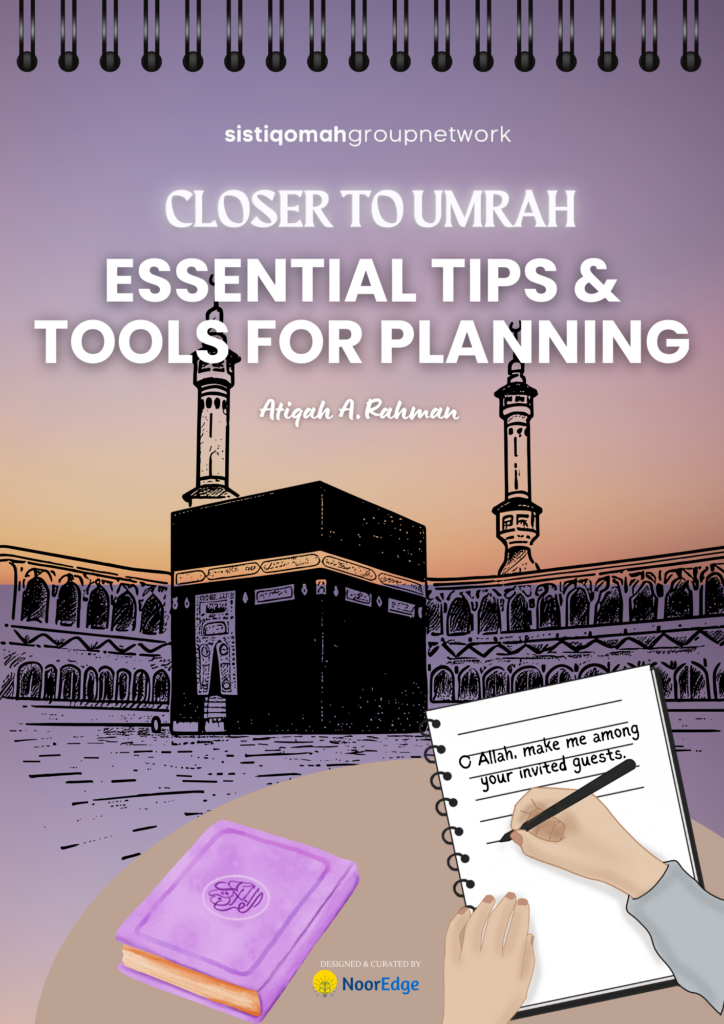
Introducing the “Closer to Umrah” E-Book—your all-in-one guide to a spiritually fulfilling and well-prepared Umrah experience.
What’s inside?
✔️ Practical tips for Umrah preparation
✔️ Step-by-step budgeting tools
✔️ Essential packing tips & hacks
✔️ Barakah habits strategies & mindset reset
✔️ Reflection prompts & personalized dua templates
… and so much more to make your journey smooth and spiritually fulfilling, InshaaAllah.
💡 Written by sisters, for sisters—this e-book is designed to give you the support you need beyond traditional classes, helping you turn your Umrah dreams into reality.
Get your copy here: https://sistiqomahgroupnetwork.com/product/ebook-closer-to-umrah/